
Walking into the three-room apartment of brothers Teo Yen Eng and Teo Yen Teck, it would seem like any other home of old retirees living together, with little or no trace of their past.
Three Chinese deities, slightly taller than a large beer bottle, in the corner of the room greet you – menacing at first but gentler thereafter. In the kitchen, you would discover a sizeable collection of precious sea shells, some the size of a volleyball.
Framed newspaper cuttings, noticeably with the Teo brothers featured sought our attention briefly. As our eyes drifted around the living room, we found album after album of neatly arranged, pristine black and white photographs that reveal life away from Singapore – on an island called Seking.
In a kampong, everyone is caring of each other. That’s most important.
Teo Yen Eng, opened a provision shop on Pulau Seking
“We were the only Chinese shop,” Yen Eng, now 90, said in Hokkien. Though they must have explained this so many times, they continued to share to those eager to listen. Yen Eng started with how tiny the island was – and that it took less than 30 minutes to walk from one end to the other.
“Singapore was full of high-rise HDB flats then but on Seking,” he said, “it was all attap houses and trees.”
He was already married and his children had started working. “I was free and had nothing to do,” he said, “so I went over to Seking.”
They arrived on the island in the early 1970s to set up a sundry provision shop selling basic items like sugar and rice to the villagers. He would stay for about two to three weeks and then come back to his family on Singapore.
Their provision shop was also their home. When the islanders come to buy things, they would also spend time chatting with one another. They remember that there were just 58 families then.
“In a kampong, everyone is caring of each other,” Yen Eng said. “That’s most important.”
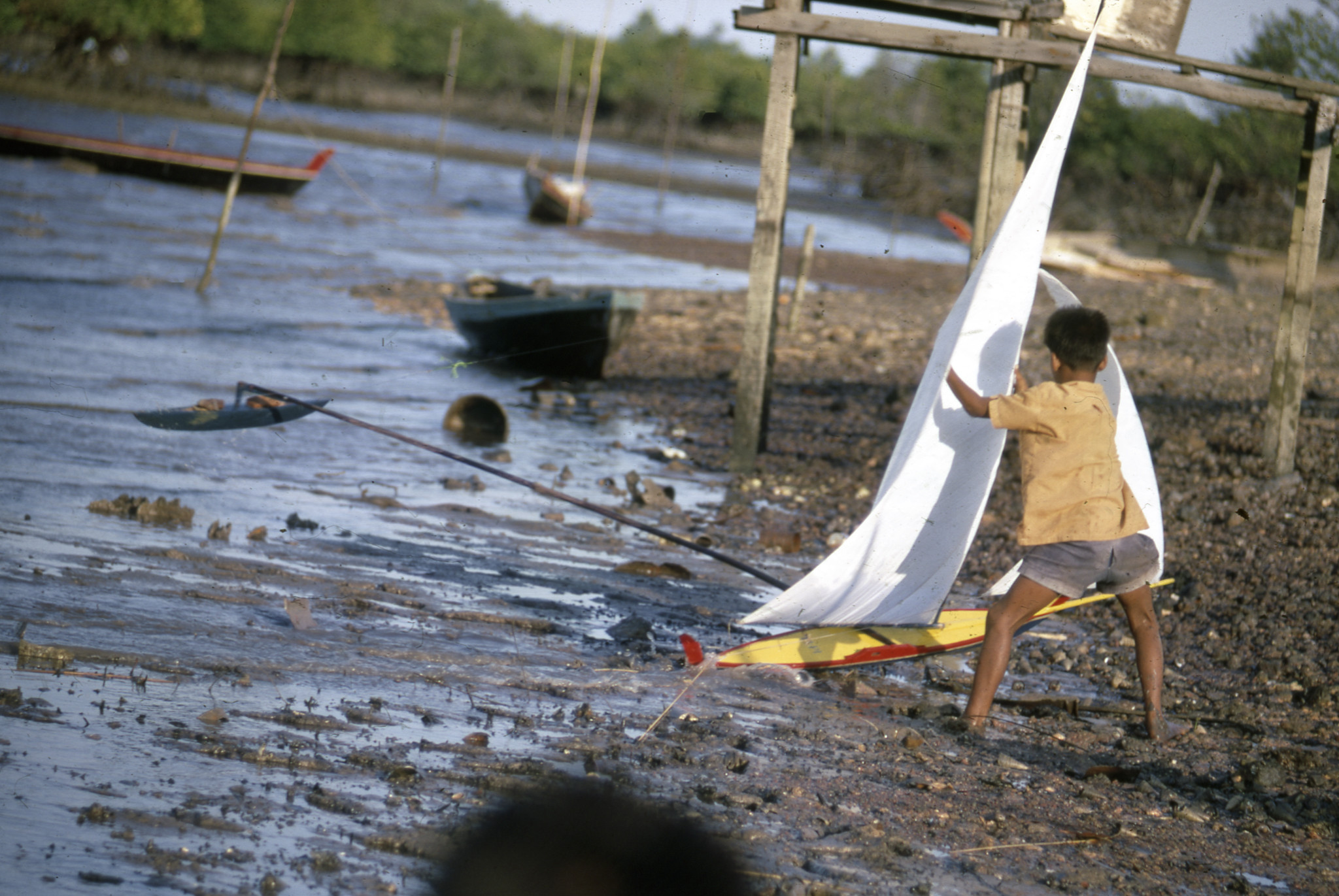
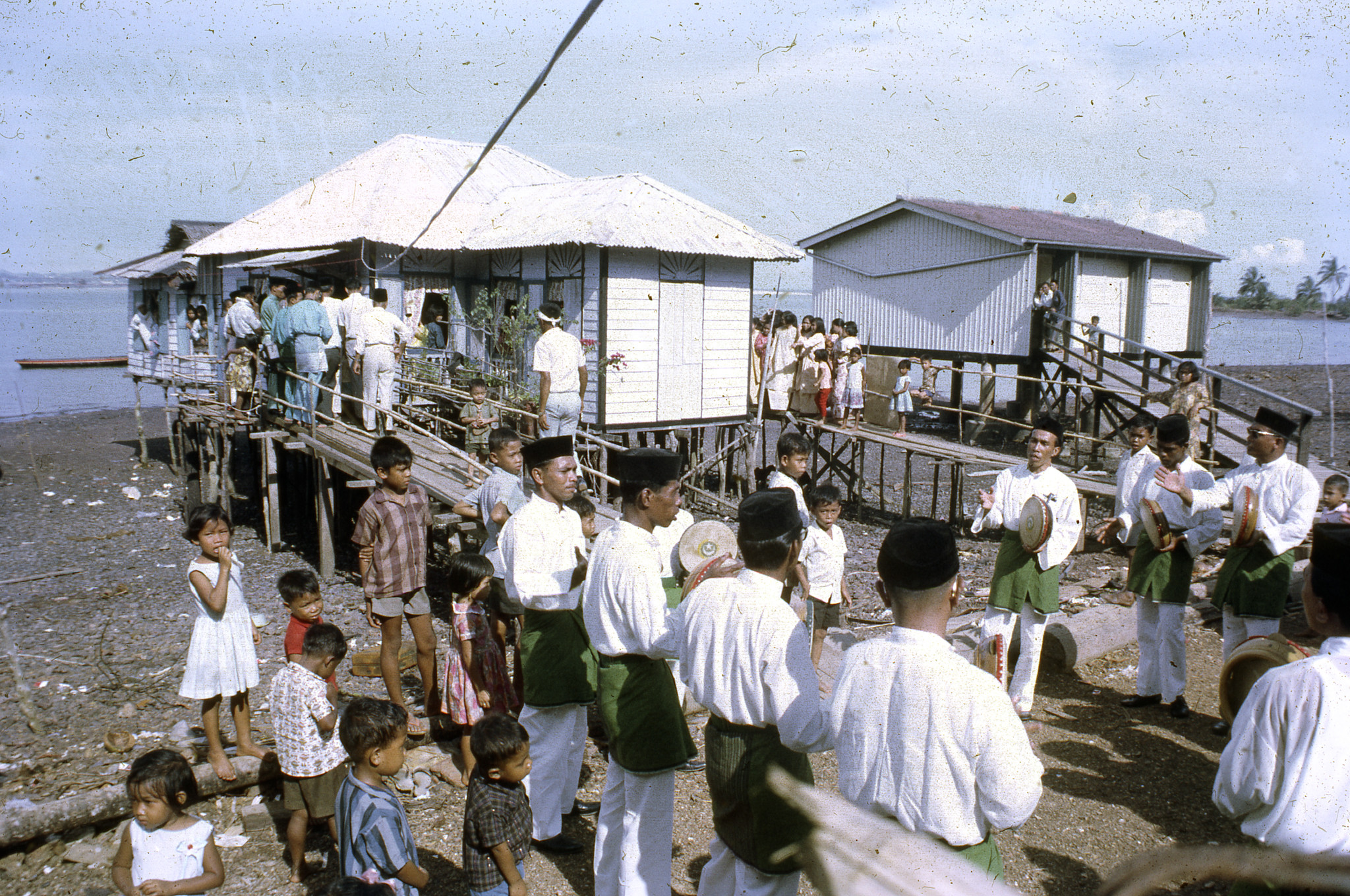
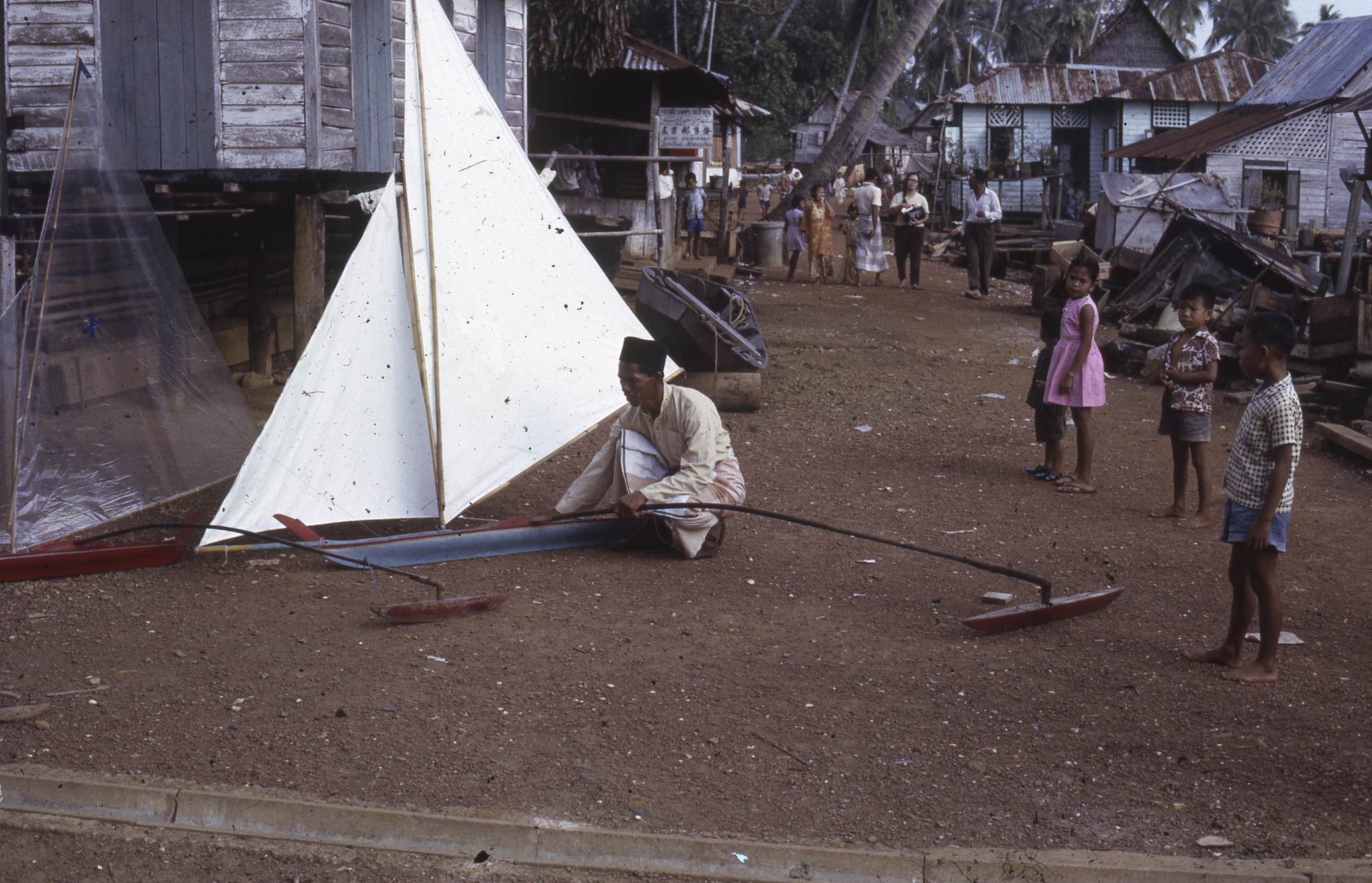
Though their shop closes at 10pm, sometimes the islanders get hungry at night or they would come back from fishing after midnight to sell their catch. “We were the only shop, so what can you do?” Yen Teck, who is single, said in Hokkien. “11pm or midnight, we have to open our doors.”
Their relationship with the islanders was one of mutual respect and trust. As most islanders had little resources, they would provide them with fishing nets and hooks for them to make a living. Wire mesh to create fish traps back then would cost $100 – a large sum back in the 1970s.
Yen Teck adds that when the islanders return from fishing, they would pay them back in kind. At times, they would barter for rice and sugar.
“We can’t even finish the fish we got,” the 82-year-old said, “there was no need to buy.” Everyday they would make their way to Jurong to sell the fish. When they returned, they would bring ice to keep the next day’s catch fresh.
One thing you will notice about the Teo brothers were their ears. Prominent, well-defined, as though it was picking up all the things we were saying and not too long ago, picking up the lulling sounds of the sea.
It was something the islanders had predicted, and they knew their time on the island had to end. Both of them remember the exact day, month and year: 24 April 1994.
On that day, they gave away their wares – from rice, sugar to other provisions – to their friends from the nearby Indonesian islands. They only brought back their clothes.
The most difficult and emotional part was burning their livelihood: their boats. It would cost quite a sum of money to bring it back on the island, so they decided to burn their two boats on Pulau Seking.
They were among the last families – there was four – to leave. The village chief was with us. “None of us said anything,” Yen Teck adds, too distraught to speak. Till today, he is still not used to living on mainland Singapore.
“On the island, we were more free,” he said. “We are not free here.”
They managed to return once in 2004 to the Semakau Landfill – through reclamation, Seking and Semakau have merged. This landfill is filled mainly with ash produced by Singapore’s four incineration plants, which incinerate the country’s waste.
But it is not the same. “The houses are all demolished,” Yen Teck said. “Even the coconut trees were gone.”
“On the island, we were more free. We are not free here.”
Teo Yen Teck, opened a provision shop on Pulau Seking